
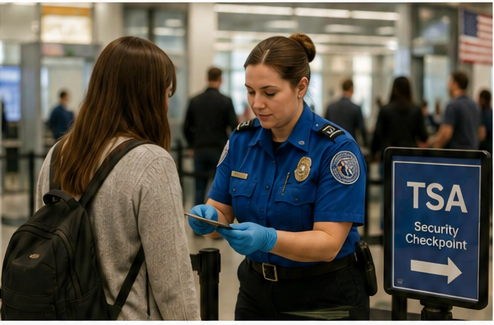
Preparing carefully before you submit helps prevent avoidable delays and disqualification.
Applying for a job with the Transportation Security Administration can feel straightforward at first. You find an opening, create an account, enter your work history, answer eligibility questions, and submit. The process becomes more demanding after that. TSA positions involve public trust, airport access, security duties, and detailed suitability checks. A small inconsistency or missed instruction can stop an otherwise qualified applicant from moving forward.
Many applicants are not rejected because they lack potential. They lose the opportunity because they rush, leave information incomplete, give dates that do not match later forms, miss an email, or try to hide a past issue. The strongest approach is simple. Treat every stage as part of the screening process, not as routine paperwork.
The tips below focus on common mistakes that create delays or lead to disqualification. They also explain how to prepare your information before applying, how to stay consistent during the background process, and how to respond when TSA requests documents or clarification.
Why TSA Applications Receive Close Review
Transportation Security Officers and other TSA employees work in environments where reliability, judgment, honesty, and attention to detail matter every day. Depending on the position, the hiring process may include eligibility screening, assessments, interviews, medical evaluation, drug testing, fingerprinting, and a background investigation.
Requirements vary by job announcement. TSA advises applicants to read the full Job Opportunity Announcement and complete every required clearance or evaluation for the specific role. This means advice from a friend or an older online forum should never replace the instructions attached to your current vacancy.
The application is your first chance to show accuracy. When your dates, addresses, names, or answers conflict with later documents, reviewers may question whether the mistake was careless or intentional. Both possibilities create risk.
|
|
1. Submitting an Incomplete Application
One of the easiest mistakes to prevent is leaving required fields blank. Applicants sometimes skip sections because they do not remember an exact date, do not understand a question, or assume they can explain it later. A required section left incomplete may prevent submission or make the application appear careless.
Gather your information before you begin. Prepare a list of previous employers, job titles, supervisors, start and end dates, addresses, education details, legal names used, and periods of unemployment. If the form requests a complete timeline, account for every period rather than leaving unexplained gaps.
Read each question slowly. If a field does not apply, use the option provided by the system instead of entering random text. Save your work when the portal allows it, then review every page before submitting.
2. Giving Incorrect or Inconsistent Dates
Employment dates, residential addresses, and education dates often appear more than once during federal hiring. A one-month difference may look minor to you, but repeated conflicts create extra review. Larger gaps can raise questions about honesty or recordkeeping.
Use records to verify your timeline. Check tax documents, pay statements, old resumes, email records, rental agreements, school transcripts, or official employment records. Do not guess when reliable information is available.
Keep a private copy of the information you submit. Use it when completing later forms so your answers remain consistent. If you identify an honest error after submission, follow the contact instructions in the announcement or candidate portal and correct it promptly.
3. Hiding Criminal, Employment, or Financial Issues
Trying to hide a past issue often causes more damage than the issue itself. Background forms ask detailed questions, and investigators compare your answers with records and other information. An omission can be treated as a question of honesty, judgment, or suitability.
Answer the exact question asked. Pay attention to the time period, definitions, and exclusions. Do not assume an arrest, dismissal, old debt, workplace discipline, or other event is irrelevant without reading the instructions. If the form gives space for an explanation, keep it factual. State what happened, when it happened, the outcome, and what changed afterward.
TSA publishes background-requirement guidance for applicants, but the final decision depends on the facts of the case and the position. Honest disclosure does not guarantee selection. It gives reviewers accurate information and prevents a separate problem based on concealment.
4. Ignoring the Exact Job Announcement
Applicants sometimes use the same resume and answers for every TSA role. This approach misses position-specific requirements. One announcement may require a certain schedule, airport location, license, physical ability, document, or assessment. Another may follow a different process.
Read the entire announcement before applying. Review who may apply, required experience, conditions of employment, work schedule, travel expectations, documents, closing date, and contact information. Save a copy or take screenshots of key instructions because the posting may close before later stages begin.
When applying for a specific Transportation Security Officer opening, align your work history with the duties listed. Describe customer service, conflict handling, observation, teamwork, rule compliance, standing for long periods, and work in fast-paced settings when those points accurately reflect your experience.
Applicants who want to compare location-specific opportunities can review current Security Jobs in Alaska. Read the listed location, schedule, qualifications, and application instructions before deciding whether the role fits your circumstances.
5. Missing Emails, Deadlines, or Appointment Requests
TSA hiring often moves through several systems and stages. You may receive instructions for an assessment, interview, medical appointment, fingerprints, forms, or document upload. A missed message can cause you to lose your place in the process.
Use an email address you check every day. Add TSA and hiring-platform messages to your safe-sender list. Check spam and junk folders. Keep your phone number current and make sure voicemail works. When a message includes a deadline, complete the task early rather than waiting until the final hours.
Create a simple tracking sheet with the job title, announcement number, airport, date applied, login details, completed steps, upcoming deadlines, and contact person. This becomes useful when you apply to more than one opening.
6. Treating the Assessment or Interview Casually
Some applicants assume the online assessment or structured interview is a formality. It is part of the selection process. Rushing through instructions, giving contradictory answers, or failing to prepare examples can reduce your chances of advancing.
Complete assessments in a quiet place with a stable internet connection. Read the directions before starting. During interviews, answer the question directly and use examples from work, school, volunteering, military service, or other relevant experience. Explain the situation, your responsibility, the action you took, and the result.
Strong examples show reliability, calm decision-making, customer service, communication, teamwork, and respect for rules. Avoid exaggerated claims. Clear and credible answers are stronger than dramatic answers that do not sound realistic.
Before applying for a Transportation Security Officer position, review the responsibilities carefully and prepare examples showing how you have handled customers, rules, pressure, and repetitive security-focused tasks.
7. Failing to Prepare for Medical and Drug-Screening Requirements
Certain TSA roles include medical evaluation and drug screening. Applicants may create delays by arriving without requested records, failing to disclose relevant treatment or medication, or ignoring follow-up instructions.
Read every medical notice. Bring the documents listed in your appointment instructions. If TSA requests additional information from a healthcare provider, respond within the stated deadline. Do not stop prescribed medication or change treatment solely to influence an employment exam without speaking with your healthcare professional.
Medical standards depend on the role. Use the current TSA guidance connected to your vacancy rather than relying on general assumptions about eyesight, hearing, mobility, medication, or past conditions.
8. Entering the Background Process Without Records
Background paperwork can require years of address, employment, education, travel, relationship, and reference information. Waiting until the deadline to collect these details creates avoidable mistakes.
Build your timeline early. Record full addresses, postal codes, contact names, telephone numbers, and dates. Contact former employers or references when appropriate so they understand they may receive a verification request. Make sure your references know you well enough to provide useful and truthful information.
Review your credit reports and public records when relevant so you are not surprised by incorrect information. If a record contains an error, keep documentation showing the steps you took to dispute or correct it.
9. Applying for a Location or Schedule You Cannot Accept
Airport security work may involve early mornings, nights, weekends, holidays, split shifts, overtime, and changing operational needs. Applicants sometimes accept an interview without considering travel distance, transportation, childcare, or schedule limits.
Review the location and schedule before applying. Calculate your commute at the earliest reporting time, not during normal daytime traffic. Consider parking, public transport, weather, and airport access. Be honest about your availability. Accepting conditions you cannot meet may lead to withdrawal, poor attendance, or problems after hiring.
For broader searches, explore current Airport Security Jobs and compare each listing instead of assuming all airport roles follow the same duties or federal hiring process.
You can browse additional Airport Security Jobs by location and role. Confirm the employer, requirements, and application process shown in each individual listing.
10. Paying a Third Party or Trusting Unofficial Promises
Be cautious with websites or individuals that promise guaranteed TSA employment, special access, or faster federal approval in exchange for payment. A legitimate job listing should clearly identify the employer and application steps. No outside party can guarantee a suitability decision, medical clearance, assessment result, or final offer.
Use official TSA hiring information to verify the process. When a third-party job board helps you locate an opening, follow the employer instructions and protect sensitive information. Never send identity documents, financial details, or background information through an unverified channel.
TSA Application Checklist Before You Submit
- Read the complete job announcement, including conditions of employment.
- Confirm the airport location, schedule, pay information, and closing date.
- Prepare an accurate employment, education, and address timeline.
- Answer every eligibility and disclosure question honestly.
- Check names, dates, telephone numbers, and email addresses.
- Upload every required document in the requested format.
- Save a copy of your application and supporting records.
- Check email and spam folders daily after applying.
- Complete assessments, appointments, and forms before the deadline.
- Notify the listed contact when you need to correct a material error.
What to Do If You Made a Mistake
Do not ignore a material error and hope it goes unnoticed. Review the job announcement, candidate portal, or email instructions for the correct contact. Explain the error briefly, provide the corrected information, and keep a copy of your message.
Avoid sending repeated emails to several offices unless instructed. One clear message with your name, announcement number, position, location, and correction is easier to process. If the issue involves a deadline, contact the listed office as soon as possible, but understand that extensions or reinstatement are not guaranteed.
A minor typo is different from a false answer about eligibility, criminal history, employment, or another significant matter. Correct important information promptly and remain consistent in every later stage.
Final Thoughts
A successful TSA application depends on more than meeting the minimum qualifications. You need to show accuracy, honesty, responsiveness, and respect for the process. These qualities matter during hiring because they also matter in airport security work.
Start early. Keep records. Read every instruction. Tell the truth even when a past issue feels uncomfortable. Check your messages and meet each deadline. These habits will not guarantee a job offer, but they will protect you from the preventable mistakes that remove many applicants from consideration.