
What You need to know about Longest Flight in the WorldWhat You need to know about Longest Flight in the World
When seated on an aircraft that will take you nearly 19 hours of air travel, you are sitting on what will likely be considered as one of the greatest inventions in the history of modern aviation. Not only an engineering and logistic achievement, but symbolic as well, the world's longest flight in the world represents a kind of reunion of globality in our thinking process. Being an inquisitive traveller, who is drawing your next journey, or a person interested in the aviation industry, reading about these marathon journeys can introduce you to a lot of fascinating facts about the essence of modern air travel.
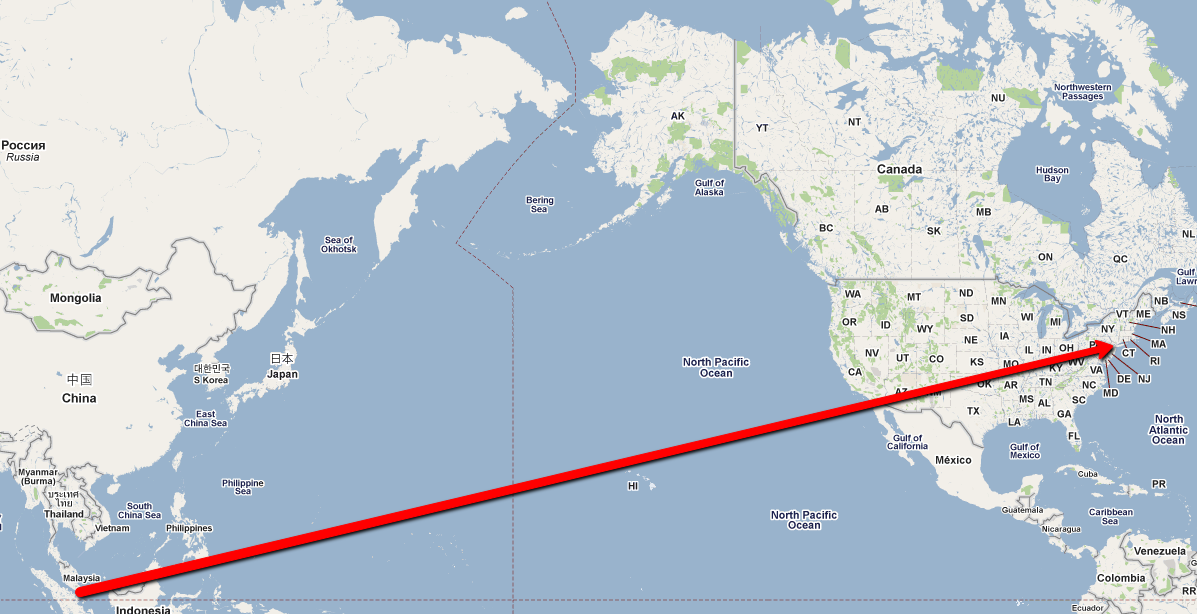
So What Is the Longest Flight in the World?
As of early 2025, the longest commercial flight in the world is the Singapore Airlines Flight SQ24 that connects John F. Kennedy International Airport in New York and the Changi Airport of Singapore. This is an awesome journey of approximately 9,537 miles (15,349 kilometers) and a total of 18 hours and 50 minutes of continuous aerial transport, under varying weather conditions and route undertaken.
This route was re-crowned in 2018 after several years where it was canceled because of economic reasons. The re-introduction was achieved by introduction of Airbus A350-900ULR (Ultra Long Range), an aircraft that was specifically designed to cope with such a route in terms of fuel-conservation and comfortability of the passengers.
Others in the Longest Flight Competition
Though it is Singapore that is currently on the record books, there are other routes that are nearly on the record and are worth consideration by anyone keen on ultra-long-haul flights.
Perth, Australia to lower Heathrow, London, the Qantas flight takes 17 hours and 20 minutes and 9009 miles. This route provided a new way to the journey between Australia and Europe without a stop over as it was previously. To serve this route, the airline is using Boeing 787-9 Dreamliner which has shown to be the best in the requirements of the route.
Air New Zealand flight between New York JFK and Auckland is approximately 8,828 miles and an estimated time of flight is 17 hours and 40 minutes. The introduction of this line will offer the North American passengers a direct connection to New Zealand without necessarily visiting the Australian cities.
Emirates has extensive long-distance airline network and their flight between Dubai and Auckland is estimated to take about 17 hours and 30 minutes and covers a distance of 8824 miles. It is on the leisure and business travellers and is the linkage flight between the South Pacific and the Middle East.
Qantas has also announced huge plans of Project Sunrise, a project which would witness the non-stop commercial flights between Sydney and Melbourne and London and New York too. These flights would reach beyond 10,000 miles and may even surpass the current breakthrough in the air travel industry.
Which Aircraft do have the Longest Flight in the World?
Planes, which fly such marathon routes, are not ordinary ones. They are highly-modified models of already impressive jets that are designed to be efficient and comfortable to a passenger over very long distances.
The Singapore Airline Airbus 350-900ULR is, maybe, the most specialised. It has extra fuel tanks that make it cover a range of about 10,300 miles, and the number of passengers is also reduced as compared to regular A350 in order to trim down on weight. This also leads to the increased number of spacious seating arrangements since the number of passengers is reduced and this is essential in the 19 hour flights.
These planes have improved wing designs, which have curved wingtips which cut down the drag, engines, which are such that consume large amounts of fuel and flight management systems that optimize routing and fuel burn continually as the flight progresses. The technology tracks weather conditions, wind velocity and air transportation so as to make real time modifications that can conserve thousands of pounds of fuel within a single flight.
The Boeing 787-9 Dreamliner has a great range of approximately 8,786 miles used in numerous ultra-long routes. Airlines are happy with its reduced operating expenses and passengers are happy with such amenities as bigger windows, better air quality with more efficient filtrating systems and LED mood lights that can help eliminate jetlag.
What Passenger Experience is it like?
Almost 19 hours of air time is daunting, and in the ideal situation, this may be arduous. But carriers flying these routes know that passenger comfort is not a luxury, but it is the key to commercial success of the route.
Singapore Airlines has A350ULR that is designed with business and premium economy seats but no economy seating at all. The choice highlights the concerns about weight as well as the understanding that there are hardly any passengers who desire to sit 19 hours in an average economy seat. Their business class seats can be folded into fully flat beds and provide true sleeping comfort and make the overnight segments much more acceptable.
The cabin crew has got special training on ultra long flight and they know that service pacing is very important. Having meal services is a carefully scheduled affair that makes the passengers fit in the times according to the circadian rhythms to acclimatize to the time of their destination. You will normally have a number of meal services and the services of having lighter snacks during the flight.
These flights have entertainment systems that come with vast libraries- you would have seen a dozen full length movies and still had some left. Most long-distance travellers however advise dividing the screen time with some other things. The circulation of the body is also enhanced by walking around the cabin after a few hours, and it minimizes the chances of deep vein thrombosis which is a real concern when the flight is long.
Cabin pressure and air quality controls on modern day aircraft such as A350 and 787 actually alleviate fatigue. The higher moisture content than in the older aircraft make it too dry to experience the extreme dryness that once left the passengers fully moist after landing.
Why Are Airlines Doing Such Long Flights?
Ultra-long-haul routes are an interesting game of challenges and opportunities, as far as the business is concerned. The flights demand a lot of investment in both specialized aircraft and infrastructure provision, yet they have strong benefits to airlines who can commit to such an investment.
The most apparent advantage is a saving of time on the part of the passengers. Direct flight offers from Singapore to New York would have helped to avoid a stopover that would have increased your trip by four to six hours to consider the connection time. This convenience warrants a higher price of tickets to business travelers whose time is highly priced.
The benefit of the airlines is that they do not need to deal with the complexity and cost involved in co-ordinating via the hub airports. Every landing and take off is associated with charges, loading and unloading expenses and operational uncertainties. One transatlantic flight does away with one of these costs and minimizes the risks of delays that an interrelated schedule can cause.
Prestige and marketing value is also provided on these routes. Having the longest flight in the world means that media coverage is created and an airline is regarded as the technological leader. Singapore Airlines uses this route to their benefit in branding themselves as being associated with innovation and high quality service.
Nevertheless, economics is problematic. These flights lack the full capacity of passengers to control weight and perfect load factors are required to make them profitable. The airlines are always required to fill a great percentage of seats at the premium price and this requires them to have high corporate travel demand or rich leisure travelers willing to spend on it.
Preparation of an Ultra-Long-Haul Flight
In case you are planning on booking one of such marathon flights, you will find it much better with a little preparation. They are not ordinary flights and considering them differently is a good pay off.
Begin by sitting in the right place: Sitting in window seats gives you the option of controlling the shade and even leaning against the wall to sleep but you will have to go over others to go to the bathroom.The aisle seats have the freedom of movement but they can be interrupted by other people. A lot of seasoned travelers become fond of seats in the front cabin that are usually quiet and less turbulent.
Wear in layers and loose fitting clothes: There is a range in the cabin temperatures and you will also wish to have choices as you pass between sleep and wake cycles. Compression socks actually serve real purpose in terms of circulation during long flights and most physicians advise every person who spends over 10 hours in one sitting.
The importance of hydration cannot be overestimated: The dry air in airplanes makes even those who do not feel very thirsty feel dehydrated. Therefore, it is better to drink a lot of water during the flight, as it will make you feel better when you arrive. In the meantime, alcohol and caffeine further dehydrate you and thus moderation is your best bet even when alcohol and drinks are free in premium cabins.
Think of your sleeping plan before taking off: In case you are flying eastwards, you may wish to be awake during the first part and have a sleep afterwards. Flights towards the west usually prove to be better when you can get to sleep early in the morning and wake up with several hours to go. Other passengers carry melatonin or ask their physicians regarding short-term sleeping pills, but you must test anything new prior to making it your travelling companion.
Carry entertainment besides that which is offered: An e-book, podcasts that you can download offline, or anything that you can perform out of commission also provides choices in the event that the entertainment system malfunctions or you get bored of screens. Noise-cancelling headphones are a game changer in the sense that they will ensure that you do not hear the engines, and you can make your own world.
Expectations of Booking and Costs in Longest Flight in the World
In case you want to have one of these ultra-long flights, you will have to pay high prices. The most common routes do not have a normal economy section and even the premium economy is very costly.
On the New York route, airfare on the business class of the Singapore airlines usually varies between 5,000 and 10,000, depending on the time of booking and the seasons, whereas the premium economy costs 2,000 to 4,000. Such prices are not only based on the distance but on the specialized planes and high service standard that such flights provide.
Nevertheless, there are also offers with flexible travelers. Some airlines do have promotions on the shoulder seasons and occasionally the frequent flyer miles will offer an outstanding value and because of the high demand award availability on such routes is usually scarce.
As far ahead as you can get to have first choice of seat and price. These flights are usually sold weeks or months before, especially those of the popular seasons.
Frequently Asked Questions: Longest Flight in the World
What are the ways that pilots manage such long flights?
The planes that are on ultra-long-haul flights always have more pilots and the number of pilots is usually four. Their working hours are in shifts, two of them being on the plane and the others in specific crew rest cabins whereby they take their rest in the bed compartments. This provides vigilant pilots during the flight and adherence to the stringent aviation standards.
What would happen in case of a medical emergency?
Each ultra-long-haul aircraft is equipped with improved medical facilities and supplementary medical training is provided to the flight attendants. The plane will be able to contact medical stationed professionals on the ground through satellite and the pilots can divert to the appropriate airports on the route in case it is needed.
Can these flights be considered safe enough despite the length of the flight?
The current commercial aviation is unprecedentedly safe, and the duration of the flight does not impact it greatly. The planes are strictly serviced and the pilots are well trained and there are numerous backup systems that are used to guarantee proper functioning.
Is it going to be even longer flights in the future?
Almost certainly. With aircrafts getting more efficient and passengers becoming more accepting, airlines will still be considering routes that do not involve connections. Economic and not technical constraints are the major constraints.
Final Thoughts: Longest Flight in the World
The record flight of the world is much more than a figure in a book of records. These routes illustrate how technology of aviation, passenger demand, and economies of airlines come together to transform worldwide connectivity. To certain passengers the ease of not making any connections can make the trip worth the effort whereas others may want to divide such distances with a stopover. With the increase in these routes and the advancement of aircraft, ultra-long-haul flying is almost becoming a regular occurrence and this will bring about a paradigm shift in our thinking of distance and travel.