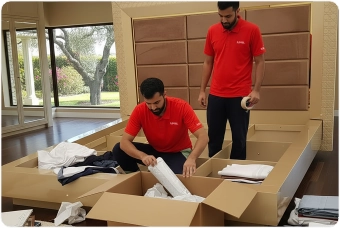
Move US to Singapore: A Complete Guide to International MovingMove US to Singapore: A Complete Guide to International Moving
Moving from the United States to Singapore is a major international relocation that requires more planning than a typical domestic move. You need to think about immigration, housing, international shipping, customs, household goods, pets, vehicles, insurance, banking, and daily life after arrival.
Singapore is a highly connected city-state, but its import rules are strict. Household goods and personal effects may qualify for GST relief if you meet specific conditions, while certain goods are excluded from relief or require additional permits.
If you are planning to move from the US to Singapore, start preparing well before your departure. Confirm your immigration status first, then choose an experienced international mover, reduce the belongings you plan to ship, prepare your documents, and understand Singapore's customs requirements.
This guide explains the major steps involved in moving from the US to Singapore and how to make your international relocation smoother.
Understand Your Immigration Status
Your first priority should be confirming that you have the right to live in Singapore.
Your immigration route depends on why you are moving.
You may be moving as:
- An employee
- An entrepreneur
- A student
- A dependent
- A family member
- A permanent resident
- Another eligible foreign resident
If you are moving for employment, you generally need an appropriate work pass before starting work. Singapore's Ministry of Manpower states that foreigners intending to work in Singapore must hold a valid work pass.
Employment Pass
The Employment Pass is one option for eligible foreign professionals, managers, executives, and technicians with a qualifying job offer.
As of 2026, the qualifying salary starts at S$5,600 per month and increases with age, with higher requirements for financial-services roles.
Your employer or appointed employment agent normally submits the application.
Do not arrange a permanent relocation based only on an informal job offer. Confirm your immigration approval and conditions first.
Create an International Moving Timeline
A US-to-Singapore move involves several stages.
A useful timeline can look like this:
Several Months Before Moving
- Confirm your visa or pass
- Research neighborhoods
- Set a moving budget
- Compare international movers
- Start decluttering
- Research Singapore customs requirements
Two to Three Months Before
- Book your mover
- Prepare your inventory
- Decide what to ship
- Arrange pet or vehicle plans
- Start packing nonessential belongings
Several Weeks Before
- Finish most packing
- Prepare customs documents
- Arrange utilities
- Update your address
- Confirm shipping arrangements
- Prepare travel essentials
Final Week
- Pack your personal luggage
- Keep important documents with you
- Confirm pickup details
- Complete a final home inspection
- Separate items that will not be shipped
Starting early gives you time to deal with unexpected issues.
Choose an Experienced International Moving Company
Moving household goods from the US to Singapore is different from moving between two US states.
Look for a company with experience in international household relocation.
Ask potential movers:
- Do you regularly move US households to Singapore?
- Do you offer door-to-door service?
- Who handles customs documentation?
- Do you have a Singapore delivery partner?
- Is packing included?
- Is storage available?
- How are fragile items handled?
- What happens if customs delays my shipment?
- What protection options are available?
Experience with Singapore's import procedures can be especially useful.
Compare Multiple Moving Estimates
Request estimates from several international moving companies.
Give each company similar information so you can make a fair comparison.
Tell them about:
- Home size
- Number of rooms
- Furniture
- Appliances
- Electronics
- Number of boxes
- Specialty items
- Pickup location
- Singapore destination
- Packing requirements
- Storage needs
Do not compare only the final price.
Compare the complete service package.
Understand What Your Moving Quote Includes
An international moving estimate may cover some or all of these services:
- Packing
- Packing materials
- Loading
- Transportation
- Ocean freight
- Air freight
- Customs coordination
- Port handling
- Delivery
- Unloading
- Furniture assembly
- Storage
- Additional handling
Ask the mover to explain anything that is not included.
A cheap quote may become expensive if important services are added later.
Decide Between Air and Sea Freight
You will usually need to decide how your belongings will travel.
Sea Freight
Sea freight is often suitable for larger household shipments.
It may be practical for:
- Furniture
- Appliances
- Clothing
- Books
- Household goods
The main drawback is the longer transit time.
Air Freight
Air freight can be useful when you need belongings quickly.
It may suit:
- Essential clothing
- Work equipment
- Personal electronics
- Important household items
However, transporting a large household by air can be expensive.
Many people use a combination of personal luggage, air freight, and sea freight.
Decide What to Ship
International shipping costs can add up quickly.
Before packing an item, ask:
- Do I need it?
- Is it expensive to replace?
- Does it have sentimental value?
- Will it work in Singapore?
- Is it worth the shipping cost?
- Will it fit in my new home?
This is especially important for bulky furniture.
Declutter Before the Move
Moving overseas is a good opportunity to reduce unnecessary belongings.
Create four categories:
- Keep
- Sell
- Donate
- Dispose
Start with items you rarely use.
Look closely at:
- Old furniture
- Duplicate kitchen equipment
- Unused electronics
- Books
- Clothing
- Garage items
- Broken appliances
Shipping fewer belongings can make your move easier and potentially reduce costs.
Understand Singapore GST Relief
One of the most important things to understand is Singapore's treatment of imported household goods.
Singapore Customs states that used household articles and personal effects are subject to GST unless GST relief is granted.
Foreigners relocating or migrating to Singapore may qualify for GST relief if they meet the required conditions.
According to Singapore Customs, eligibility can include conditions such as:
- You are moving your residence from outside Singapore.
- You own the imported belongings.
- You have owned and used them for at least three months.
- You agree not to sell, give away, or dispose of them within three months after arrival.
- Your household goods are imported within six months of your first arrival in Singapore.
Check your eligibility before shipping.
Prepare Your Customs Documents
Documentation is an important part of an international household move.
Singapore Customs says that people sending used household items or personal effects separately from their arrival may need to submit a Declaration of Facts before the goods arrive. Supporting documents can include identification, proof of relocation, and the Bill of Lading or Air Waybill.
Your moving company or freight agent may help with the process.
However, you should understand what is being submitted in your name.
Do Not Wait Until Your Shipment Arrives
One important customs rule is timing.
For unaccompanied household goods sent by air, sea, or land freight, Singapore Customs says the Declaration of Facts should be submitted before the goods arrive. If the goods have already arrived, the relief application can be rejected and GST may become payable.
This is why you should coordinate customs paperwork with your mover well before the shipment reaches Singapore.
Create a Detailed Household Inventory
Prepare a list of the belongings you plan to ship.
Include:
- Description
- Quantity
- Approximate value
- Brand
- Model
- Serial number when appropriate
For example:
| Item | Quantity | Description |
|---|---|---|
| Sofa | 1 | Three-seat fabric sofa |
| Television | 1 | 55-inch smart TV |
| Dining chairs | 6 | Wooden chairs |
| Laptop | 1 | Personal computer |
| Books | 20 boxes | Used personal books |
Keep a copy for yourself.
Your mover may also prepare shipment documentation.
Separate Personal Luggage From Your Shipment
Your sea shipment may take considerably longer than your flight.
Pack a separate arrival bag containing:
- Clothing
- Toiletries
- Chargers
- Medication
- Important documents
- Basic electronics
- Essential personal items
Do not depend on your shipping container for things you need during your first few weeks.
Keep Important Documents With You
Never place essential immigration documents deep inside your moving shipment.
Keep your:
- Passport
- Visa or pass documents
- Employment documents
- Birth certificate
- Marriage records
- Financial documents
- Insurance information
- Moving paperwork
with you.
Make secure digital backups as well.
Check Singapore's Controlled and Prohibited Goods
Not every item can be imported freely.
Singapore Customs states that some goods are controlled or prohibited and may require approval from another competent authority.
Before packing unusual items, check the applicable rules.
This is particularly important for:
- Certain medicines
- Weapons
- Food products
- Plants
- Animal products
- Chemicals
- Certain electronic equipment
- Commercial goods
If you are unsure, ask your mover or check the relevant Singapore authority before shipping.
Be Careful With Alcohol and Tobacco
Alcohol and tobacco products receive different treatment from ordinary household belongings.
Singapore Customs specifically lists intoxicating liquor and tobacco products among goods that are not eligible for GST relief when moving to Singapore.
Do not assume that personal ownership automatically means these products can enter under household-goods relief.
Check the current requirements before bringing them.
Check Food Before Packing
Food may be subject to import controls.
Avoid automatically packing your US pantry.
Review requirements for:
- Meat
- Dairy
- Seafood
- Seeds
- Plants
- Processed food
- Animal products
When an item is uncertain, check the current Singapore requirements before shipping it.
Prepare Wooden and Outdoor Items
Outdoor items may need additional attention.
Check belongings such as:
- Garden tools
- Camping equipment
- Bicycles
- Wooden furniture
- Sports equipment
Clean them carefully before packing.
Remove soil, dirt, insects, and organic material.
This can reduce the risk of inspection problems.
Decide Whether to Bring Your Car
Bringing a vehicle from the United States to Singapore is a major decision.
Singapore Customs specifically identifies motor vehicles as goods that do not qualify for GST relief under the household moving scheme.
Vehicle importation can involve substantial costs and requirements.
Before shipping a car, compare:
Cost of shipping + duties/taxes + registration and compliance costs
against:
Cost of selling the US vehicle + purchasing or leasing transportation in Singapore
For many movers, selling the vehicle in the US may be simpler.
Research Singapore Vehicle Requirements
Singapore has strict vehicle ownership and registration requirements.
If you want to import a vehicle, research the applicable requirements before arranging shipping.
Do not ship a car simply because it is valuable in the United States.
The total cost of bringing it into Singapore may be much higher than expected.
Check Your Appliances
US appliances may not always be ideal for use in Singapore.
Before shipping appliances, check:
- Voltage
- Frequency
- Plug type
- Manufacturer requirements
- Warranty
- Repair availability
Singapore commonly uses a different plug configuration from the US, and electrical specifications should be checked before bringing expensive equipment.
For low-cost appliances, replacing them after arrival may be more practical.
Consider Your Furniture
Singapore homes can have different layouts and space limitations compared with US homes.
Before shipping large furniture, measure:
- Furniture dimensions
- Doorways
- Hallways
- Elevators
- Staircases
- Storage areas
Consider your new property's floor plan.
A large American-style sofa may not be practical for a smaller apartment.
Research Singapore Housing
Housing should be one of your first major priorities.
You may consider:
- Private condominiums
- Apartments
- Landed properties
- Other eligible housing options
Your housing choice will depend on your budget, work location, family needs, and immigration status.
Research neighborhoods based on:
- Commute
- Schools
- Public transportation
- Shopping
- Healthcare
- Recreation
- Property size
Consider Temporary Housing
If you are moving before securing permanent housing, temporary accommodation can give you time to settle.
This can help you:
- Explore neighborhoods
- View properties
- Learn your commute
- Understand local prices
- Choose furniture needs
If your shipment arrives before your permanent home is ready, ask about temporary storage.
Understand Singapore's Cost of Living
Singapore can be expensive compared with many US cities.
Create a realistic budget for:
- Rent
- Utilities
- Transportation
- Groceries
- Healthcare
- Insurance
- Schooling
- Household goods
- Entertainment
Do not focus only on your salary.
Consider your complete monthly expenses.
Plan Your Banking
You will likely need access to Singapore banking services after moving.
Before leaving the US:
- Keep your US bank account information accessible.
- Review international transaction fees.
- Check credit card foreign transaction policies.
- Keep records of financial accounts.
- Arrange access to online banking.
After arrival, research Singapore banking options that match your immigration and employment situation.
Understand Taxes
Moving internationally can affect your tax responsibilities in both countries.
US citizens and certain US tax residents can continue to have US tax obligations while living overseas.
Singapore also has its own tax rules.
Because cross-border tax situations can be complicated, consider consulting a qualified professional familiar with US-Singapore taxation.
Arrange Health Insurance
Review your health insurance before leaving the US.
Your US health plan may not provide the coverage you need in Singapore.
Research:
- Employer-provided insurance
- Private health insurance
- International health coverage
- Out-of-pocket medical costs
Keep important medical records with you.
Prepare Medical Records and Medication
Before leaving the US, organize:
- Prescriptions
- Medical summaries
- Vaccination records
- Dental records
- Insurance information
Keep essential medication in your personal luggage, subject to applicable travel and import requirements.
For prescription drugs, check Singapore's rules before bringing large quantities.
Moving With Pets
If you are bringing a dog, cat, or another pet, begin preparation early.
Singapore Customs provides a dedicated process for importing personal pets as part of a change of residence. Requirements can include permits and other approvals depending on the animal and circumstances.
Pet relocation may involve:
- Microchipping
- Vaccinations
- Veterinary certificates
- Import permits
- Quarantine requirements
- Airline arrangements
Do not leave pet planning until the last few weeks.
Prepare Your Pet for Travel
Long-distance international travel can be stressful for animals.
Prepare:
- Travel carrier
- Food
- Water
- Medication
- Veterinary documents
- Identification
- Comfort items
Follow airline and Singapore import requirements carefully.
Arrange Utilities
Before moving into your Singapore home, arrange essential services where appropriate.
These may include:
- Electricity
- Water
- Internet
- Mobile service
Confirm the activation dates.
Update Your US Address
Notify relevant organizations before leaving.
These may include:
- Banks
- Credit card companies
- Insurance providers
- Employers
- Schools
- Government agencies
- Subscription services
Arrange mail forwarding if necessary.
Plan Your First Few Weeks
Your first weeks in Singapore will involve more than unpacking.
You may need to:
- Complete immigration procedures
- Set up banking
- Register for services
- Learn public transportation
- Find local healthcare
- Buy household essentials
- Explore your neighborhood
Give yourself time to adjust.
Understand Singapore Transportation
Singapore has an extensive public transportation system.
Depending on where you live, you may not need a car for everyday travel.
Research:
- MRT stations
- Bus routes
- Walking routes
- Taxi services
- Your workplace commute
This can influence your housing decision.
Decide What to Bring for Your First Week
Keep a small essentials kit with you.
It can include:
- Several outfits
- Work clothes
- Toiletries
- Chargers
- Basic electronics
- Important documents
- Medication
- Comfortable shoes
- Basic personal items
This gives you flexibility while waiting for your household shipment.
Understand Your Shipment Timeline
International shipping involves multiple stages.
Your belongings may move through:
- Pickup
- Packing
- Export processing
- Port handling
- Ocean or air transportation
- Singapore arrival
- Customs procedures
- Clearance
- Local delivery
Allow extra time for customs checks or documentation problems.
What Happens When Your Shipment Arrives?
If your GST relief permit is approved, your appointed agent can collect your shipped personal effects from the port or air freight center. Singapore Customs states that the agent presents the shipment and supporting documents for clearance before the goods are released.
This means you should coordinate closely with your mover or forwarding agent.
Consider Storage
Storage can be useful if:
- Your home is not ready
- You are staying in temporary accommodation
- Your shipment arrives early
- You are still choosing permanent housing
Ask your moving company about storage options.
Confirm:
- Storage price
- Security
- Access
- Duration
- Handling fees
- Protection arrangements
Create a Moving Folder
Keep your relocation documents organized.
Your folder should contain:
- Passport information
- Visa or pass documents
- Moving estimate
- Moving contract
- Inventory
- Shipping documents
- Customs paperwork
- Insurance documents
- Vehicle documents
- Pet documents
- Receipts
Keep digital backups as well.
Common Mistakes to Avoid
Shipping Too Many Belongings
International transportation can be expensive. Declutter before packing.
Ignoring GST Relief Requirements
Do not assume you automatically qualify. Singapore Customs lists specific eligibility conditions for GST relief.
Applying Too Late
For qualifying unaccompanied household goods, the Declaration of Facts should be submitted before the goods arrive.
Packing Restricted Goods
Check controlled and prohibited goods before shipping.
Shipping a Vehicle Without Calculating the Cost
Motor vehicles are excluded from the moving household-goods GST relief scheme.
Choosing a Mover Based Only on Price
Compare international experience, customs support, services, protection, and delivery arrangements.
Packing Important Documents in the Shipment
Keep passports, immigration documents, financial records, and other essentials with you.
Frequently Asked Questions
1. Can US citizens move to Singapore?
Yes, US citizens can relocate to Singapore if they meet the requirements of an appropriate immigration or residence pathway. People intending to work must have a valid Singapore work pass before starting employment.
2. Can I ship my household belongings from the US to Singapore?
Yes. You can ship used household goods and personal effects to Singapore, but customs, GST, permits, and eligibility requirements may apply.
3. Can I get GST relief when moving to Singapore?
Potentially. Singapore Customs states that foreigners relocating or migrating to Singapore may qualify if they meet specific conditions, including ownership and prior use of the goods.
4. Do I need to prepare customs documents before my shipment arrives?
Yes. For unaccompanied household goods sent by freight, Singapore Customs requires the Declaration of Facts to be submitted before the goods arrive when seeking the applicable GST relief process.
5. Can I bring my US car to Singapore?
You may be able to import a vehicle, but motor vehicles are not eligible for the household moving GST relief scheme and additional import requirements apply. Carefully calculate the total cost before shipping.
6. Should I bring my US furniture to Singapore?
It depends on its size, value, sentimental importance, and the space available in your Singapore home. Measure furniture and compare shipping costs with replacement costs.
7. Can I bring food from the US?
Some food products may be imported, but Singapore has rules for controlled and restricted goods. Check current requirements before packing food into your shipment.
8. How should I choose an international moving company?
Look for a mover with experience handling US-to-Singapore household relocations. Compare estimates, customs assistance, shipping methods, delivery services, storage, and protection options.
9. What should I keep with me instead of shipping?
Keep passports, immigration documents, financial records, medication, electronics, chargers, valuables, and several days of clothing with you.
10. How long should I plan for a US-to-Singapore move?
Start several months ahead whenever possible. Immigration, housing, international shipping, customs preparation, decluttering, and pet or vehicle arrangements can all require additional time.
Conclusion
Moving from the US to Singapore requires careful planning because an international relocation involves much more than transporting household belongings. Your immigration status, customs documents, shipping method, housing, finances, and personal needs all need to be considered.
Start by confirming that you have the correct immigration status for your move. If you are relocating for work, make sure the appropriate work pass has been approved before you begin employment.
Next, choose an experienced international moving company and compare detailed estimates. Reduce your shipment by selling, donating, or disposing of belongings you no longer need.
Pay special attention to Singapore's GST relief rules. Eligible people relocating to Singapore may receive relief on qualifying used household goods, but specific conditions must be met.
If your household goods are shipped separately from your arrival, prepare the required customs documentation before the shipment reaches Singapore. Singapore Customs specifically provides procedures for unaccompanied household goods sent by air, sea, or land freight.
You should also check controlled and prohibited goods, carefully consider whether to bring a vehicle, and prepare pets well in advance if they are traveling with you.
Most importantly, treat your relocation as an international project rather than an ordinary household move. With early preparation, accurate documentation, a reliable moving company, and a clear understanding of Singapore's requirements, you can make your move from the US to Singapore much more organized and less stressful.